What our students say.
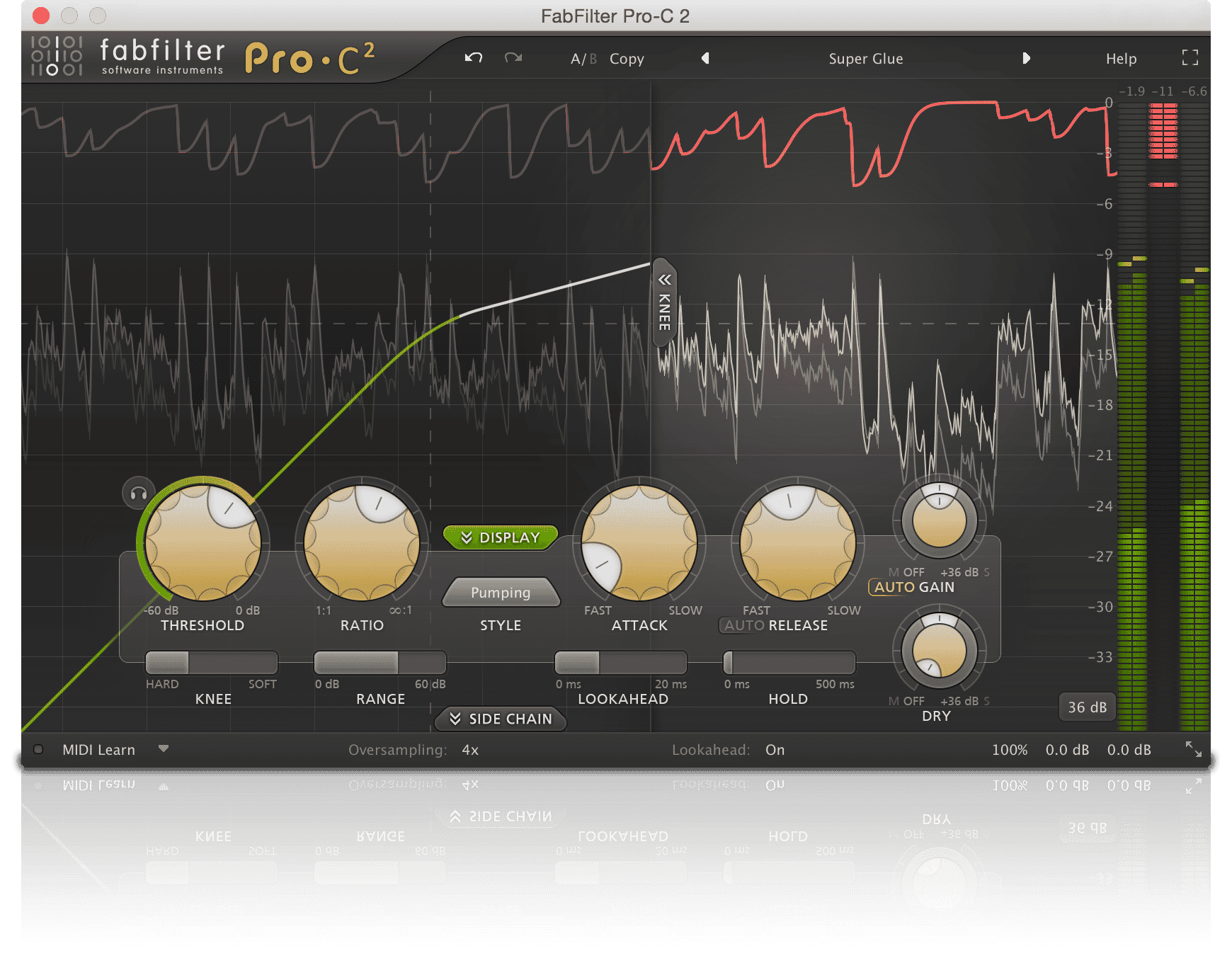
“The course was helpful to me to gain a better understanding of the specifics of how to make my mixes better. Explaining specific concepts about compression, reverb, delays, EQ, etc. that I never really had a good grasp of before.”
Cyndi Lee
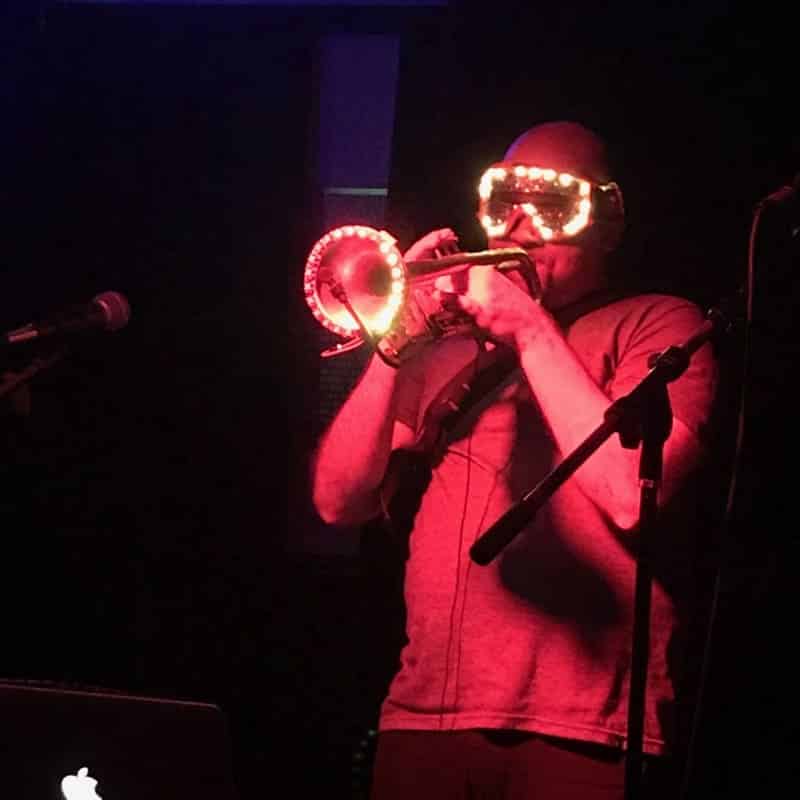
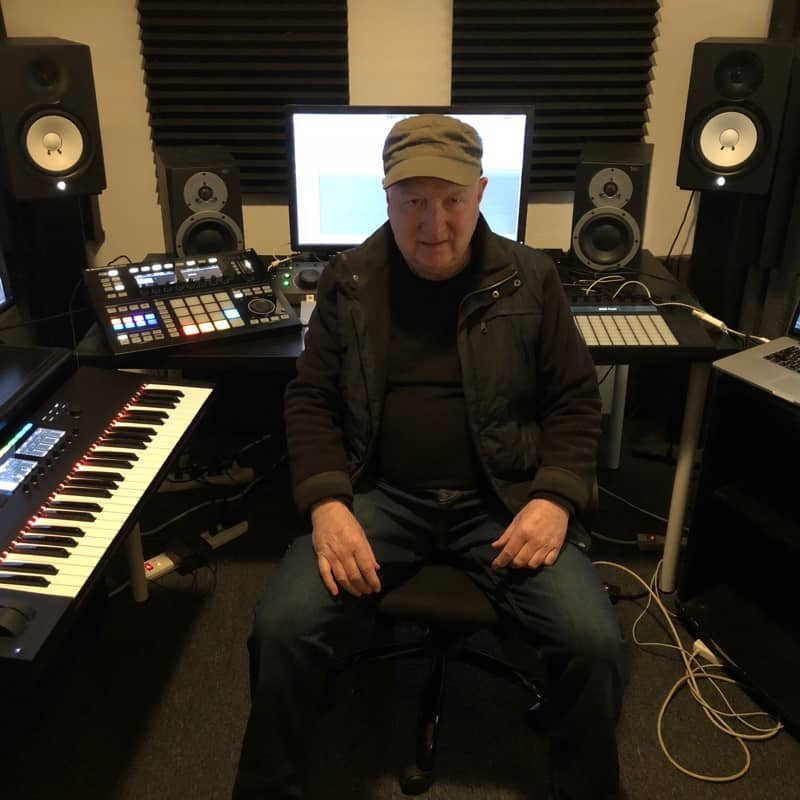
Meet some instructors.



Ready to get started?
Enroll nowRelated reading.
Mixing Desk Basics
Subgrouping a mix, using reference tracks properly, and keeping your monitoring level honest over a long session.
Read →Automation: Mixing as a Performance
A mix is not a set of static positions. Fader rides, send moves, section steps and the four automation modes - plus the override that catches everyone.
Read →Acoustics: The Basics
Why room shape changes what you hear, what standing waves do to your low end, and what RT60 means for a small studio.
Read →Mixing Desk Basics
Now we have an environment that isn’t coloring what we hear we can start to look at how we can improve the mix itself.
Read →Phaser & Flanger
What separates a phaser from a flanger, the parameters that matter on each, and how to use them without wrecking your mix.
Read →More Creative Mixing Techniques
Reverse effects, distortion, miced amps and the practical side of sample clearance - what it costs and how to avoid needing it.
Read →